

Dog Behaviour Flag Australia: Communicating Temperament Without a Conversation
By Kas Wag Flags, Wag Flags
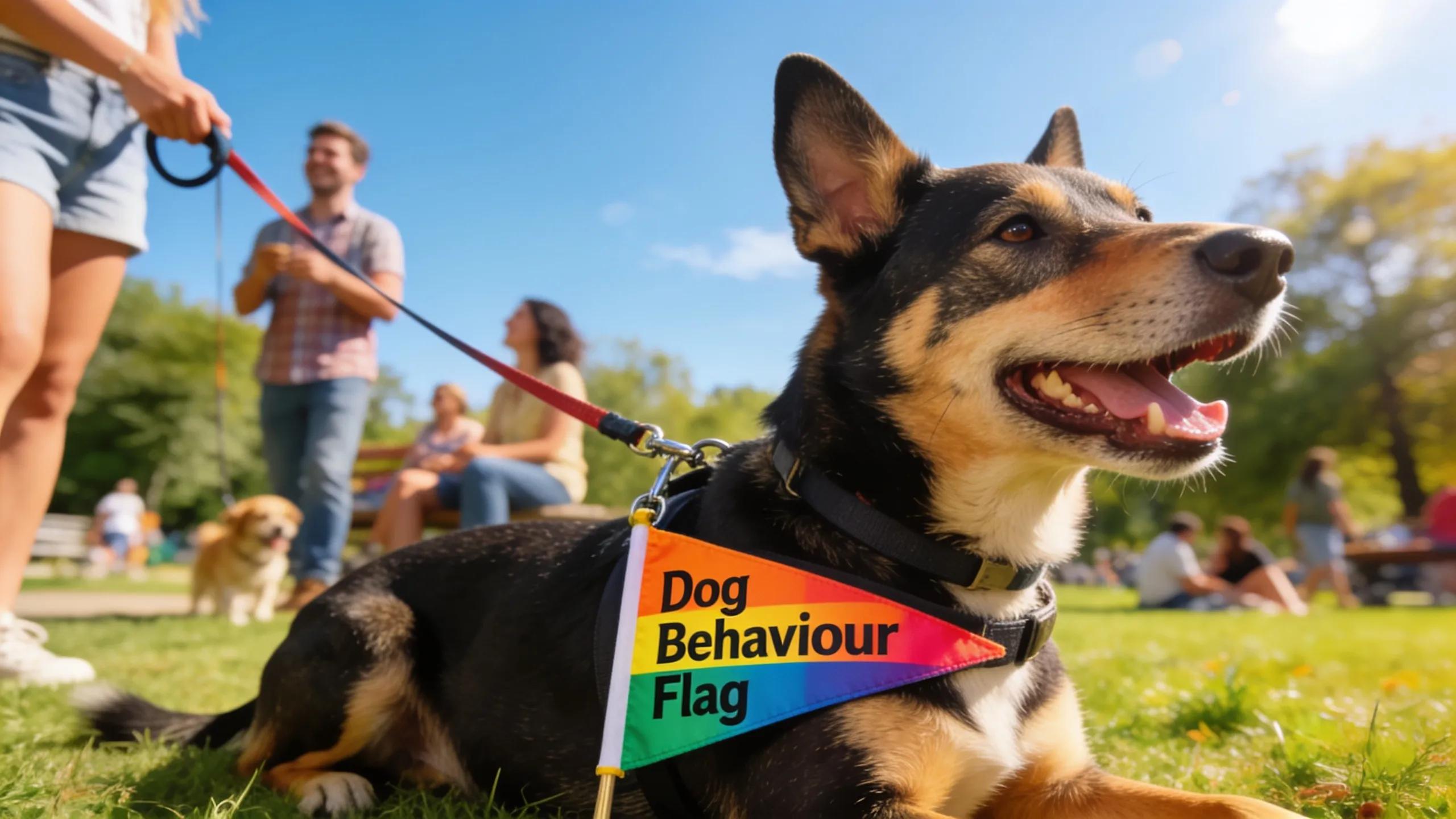
In a world where pets are considered family, understanding your dog's temperament is crucial for fostering healthy interactions. The Dog Behaviour Flag system, a remarkable initiative in Australia, allows dog owners and the public to communicate a dog's mood and needs nonverbally. This system relies on colour-coded flags that indicate a dog's emotional state, making it easier to manage interactions between dogs and people. As dog behaviour becomes increasingly complex, recognising these signals can significantly enhance safety and satisfaction for both dogs and their owners.
This article will delve into the components of the Dog Behaviour Flag system, how it signals a dog's temperament, the importance of nonverbal communication for safety, and practical tips for interpreting dog body language signs. We will also explore the significance of ear positions, tail movements, posture, and facial expressions in understanding canine emotions.
What Is the Dog Behaviour Flag System in Australia?
The Dog Behaviour Flag system, often referred to as Wag Flags, is a proactive measure designed to enhance understanding between dogs and their humans. This system utilizes distinct colour codes that signify different emotional states or needs, allowing for clearer communication without verbal interaction. The primary purpose of the Wag Flags is to promote safer encounters between dogs and the public, especially in community settings.
The benefits of the system are manifold: it not only helps prevent misunderstandings that may lead to aggressive behaviours but also educates the public about reading canine emotional cues effectively. By implementing this system, Australia aims to foster an environment of empathy and safety for all dogs on the leash.
How Does the Dog Behaviour Flag Signal Canine Temperament?
The flags employed in this system each represent specific signals that correlate to a dog's demeanor. Understanding the meanings behind these flags is essential for proper interaction.
- Green Flag: Indicates a relaxed and friendly demeanor, suggesting that the dog is open to interaction.
- Red Flag: Signals caution, indicating that the dog may feel threatened or aggressive and should not be approached.
- Yellow Flag: Serves as a warning that the dog is anxious or fearful, suggesting that the owner should keep distance.
- Blue Flag: Denotes that the dog may be in training, and others should refrain from interacting or distracting.
These flags are effective tools to communicate vital information about a dog's emotional state at a glance, thereby promoting safe interactions.
Why Is Nonverbal Communication Important for Dog Safety?
Nonverbal communication plays a critical role in ensuring safety during dog interactions. Dogs communicate predominantly through body language, which includes their posture, facial expressions, and movements. The Dog Behaviour Flag system complements this by providing an additional layer of understanding that transcends verbal cues.
Utilizing flags enhances safety by allowing the community to recognise and respect a dog's boundaries, thereby fostering a more empathetic approach to dog ownership and interaction. Furthermore, this awareness encourages owners to be more vigilant about their dog's behaviour, resulting in fewer accidents and conflicts.
How Can You Interpret Essential Dog Body Language Signs in Australia?
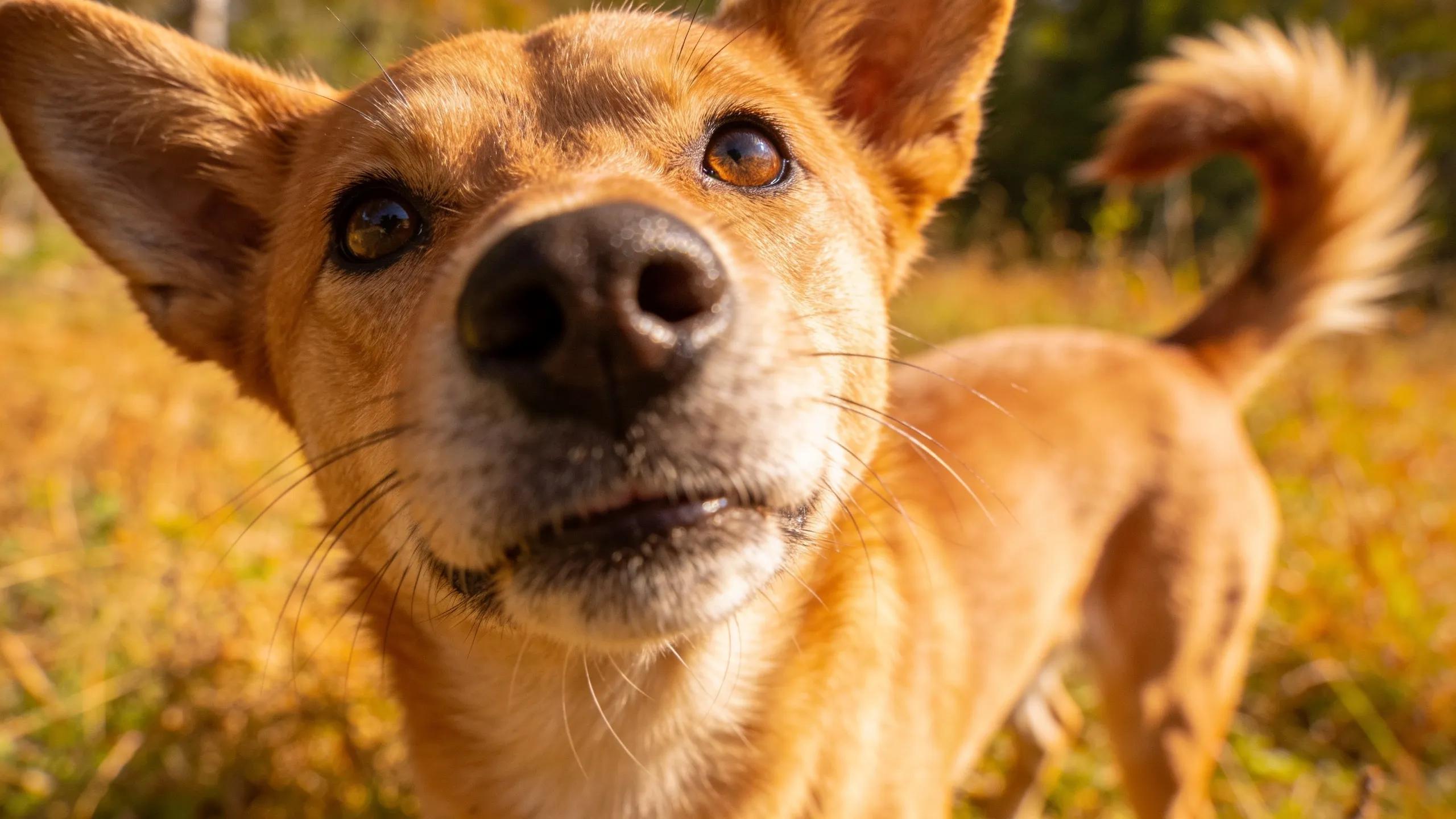
Interpreting dog body language is a skill that can be learned with practice. Various indicators can provide insight into how a dog is feeling and what they may need at any given moment.
Common dog body language signs include:
- Ears: Erect ears usually indicate alertness, while ears pulled back can signify fear or submission.
- Tail: A wagging tail often indicates happiness, but the context is crucial; a high, stiff wag might signify agitation.
- Body posture: Relaxed body posture usually indicates a relaxed dog, while a rigid stance can signal aggression or anxiety.
By paying attention to these signs, owners can create more harmonious environments for their dogs.
What Do Ear Positions and Tail Movements Indicate?
Ear positions and tail movements are key aspects of canine communication.
- Ear Positions: Dogs express their emotions through their ear postures. Upright ears typically indicate curiosity or alertness, while ears laid back against the head may denote fear or submission. Understanding these signals can help in assessing whether a dog feels safe or threatened.
- Tail Movements: Similarly, tail positions convey a dog's mood. A high, wagging tail is often a sign of enthusiasm or happiness, while a tail tucked between the legs can indicate fear or stress. Observing these tails can guide interactions with unfamiliar dogs.
How Can Posture and Facial Expressions Reveal Dog Mood?
A dog's posture and facial expressions provide critical insights into its emotional state.
- Posture: A relaxed body stance suggests that a dog feels safe and comfortable, whereas a tense body may indicate stress or readiness to defend itself.
- Facial Expressions: Dogs can express a wide range of emotions through their faces. A relaxed face with open eyes and a gentle mouth indicates contentment, whereas a wrinkled brow and tense mouth can signify anxiety or fear.
Ultimately, being aware of these signals helps in creating a positive dog-human interaction.
What Are Effective Nonverbal Dog Communication Techniques?
Effective nonverbal communication techniques can significantly enhance the understanding between dogs and their owners.
- Use of Flags: Employing the Dog Behaviour Flag system allows for clear communication about a dog’s mood and needs.
- Body Language Observance: Being attentive to a dog's body language helps in recognising its emotional state and responding appropriately.
- Positive Reinforcement: Using treats or praises when a dog exhibits calm behaviour can encourage that desired behaviour in similar situations.
By mastering these techniques, dog owners can improve the quality of interactions with their pets and the broader community.
How to Use Canine Cues Responsibly in Public Settings
Responsible use of canine cues in public settings is essential for creating a harmonious environment.
- Public Awareness: Educating the community about the Dog Behaviour Flag system and the importance of respecting a dog's signals fosters mutual respect.
- Minimise Stress: Encourage owners to use flags to minimise stress for both their dogs and others. Leaving space for anxious or aggressive dogs can prevent confrontations.
- Ongoing Training: Continuous training of dogs can enhance their ability to cope in public settings, reducing the likelihood of stress-induced behaviours.
By adopting these practices, dog owners can contribute to safer public interactions.
What Role Do Dog Behaviour Flags Play in Nonverbal Communication?
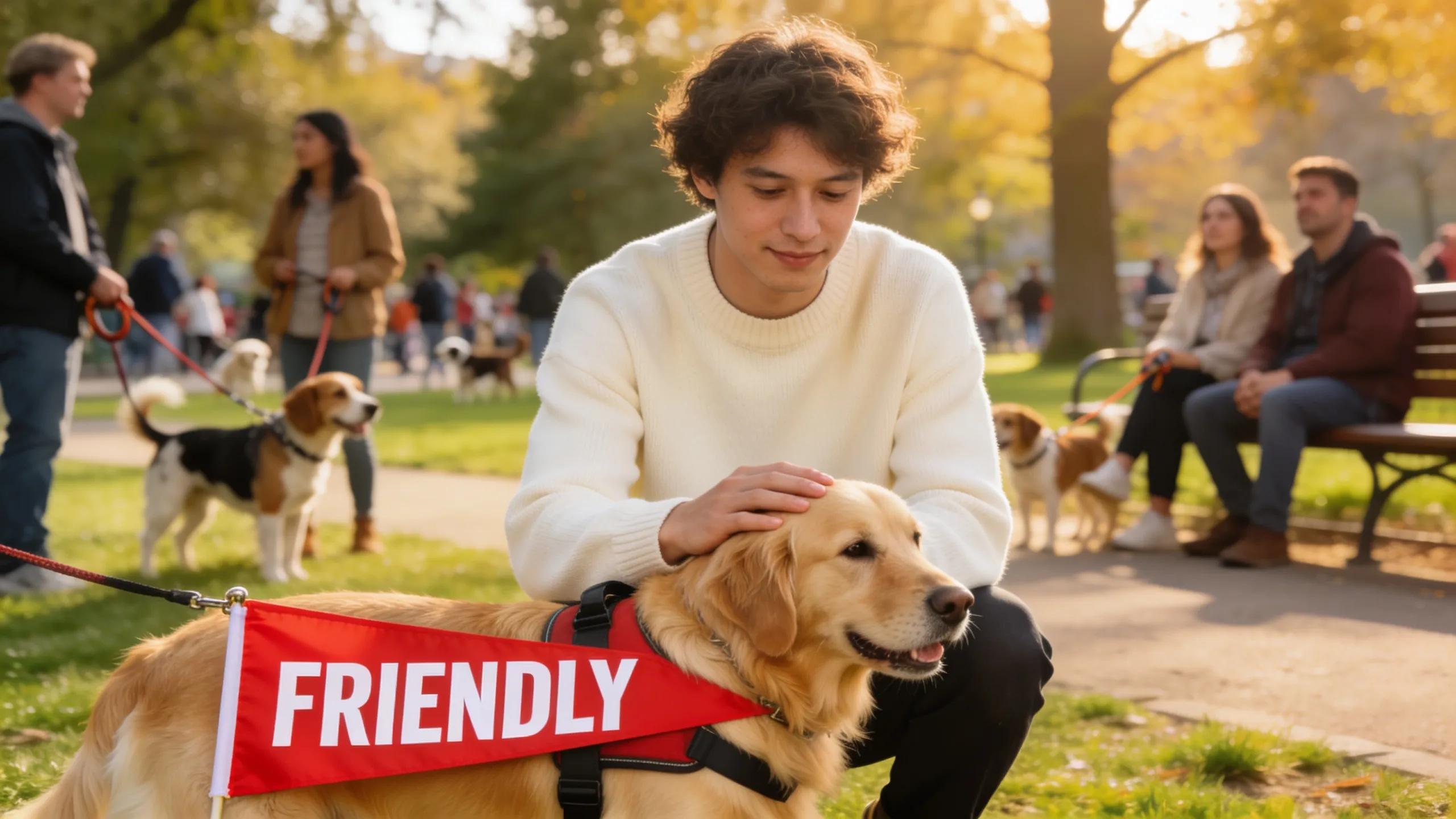
Dog behaviour flags serve as a crucial element in enhancing nonverbal communication. By visually signaling a dog’s mood or needs, they facilitate safer interactions between dogs and humans.
- Public Setting Importance: The flags allow bystanders to be informed quickly about what is appropriate in terms of interaction, thus fostering understanding and safety.
- Enhancing Management: Flags contribute to the management of dog behaviour in public spaces by educating the public with straightforward colour codes that are easy to recognise.
The integration of these flags in daily dog interactions highlights the society's commitment to improving canine welfare.
Which Dog Temperament Indicators Are Used in Australian Assessment Tools?
Various dog temperament indicators are employed in Australian assessment tools to evaluate canines objectively.
- Behavioural Checklists: These lists document reactions to a range of stimuli.
- Temperament Tests: These tests assess a dog's social behaviours and reactions under different scenarios.
- Training History: Understanding the previous training and socialization experiences of a dog provides vital context regarding its temperament.
These indicators are essential for tailoring training and socialization strategies for individual dogs.
How Do Regional Variations Influence Dog Temperament in Australia?
Regional variations significantly impact dog temperament across Australia. Factors such as climate, lifestyle, and community norms play a crucial role.
- Behavioural Traits: Different regions may breed dogs with specific behavioural traits that align with lifestyle needs in those areas.
- Training Techniques: Local training techniques can also influence overall temperament, shaping how dogs interact with their environment.
Understanding these regional influences helps inform better training practices and public interactions with dogs.
How Do Australian Dog Training Methods Incorporate Behaviour Flags and Body Language?
Australian dog training methods have increasingly incorporated behaviour flags and body language cues to foster better understanding between dogs and their owners.
- Positive Reinforcement: Trainers emphasise reward-based training alongside the flag system, recognising the importance of clear communication.
- Body Language Education: Educating owners on reading their dog's body language enhances interactive training sessions, helping dogs learn more effectively.
- Integration of Flags in Training: Flag colours can be introduced during training exercises to help dogs associate specific behaviours with visual signals.
This integrated approach results in more effective training and enhances the quality of the human-animal bond.
What Are Recommended Training Techniques for Managing Dog Temperament?
To manage dog temperament successfully, several recommended training techniques can be beneficial.
- Consistency: Establishing consistent commands and cues helps dogs understand expectations.
- Desensitization: Gradual exposure to stimuli can help dogs manage anxiety and fears.
- Socialization: Early and ongoing socialization is crucial for developing a well-adjusted dog that can navigate various environments confidently.
By employing these techniques, owners can create well-behaved and confident companions.
How Can Owners Use Flags to Enhance Training and Socialization?
Owners can utilize flags as practical tools to enhance their dog's training and socialization experiences.
- Flag Integration in Commands: Using flags while teaching commands can create a visual cue that reinforces learning.
- Socialization Opportunities: Flags can help facilitate introductions in dog parks, allowing other owners to respect a dog's boundaries.
- Feedback Mechanism: Owners can use flags as feedback for dogs during training sessions, correlating behaviours with colour signals.
Through these strategies, flags can significantly enrich the training process.
What Frequently Asked Questions Help Dog Owners Understand Behaviour Flags?
Various questions arise as dog owners seek to understand behaviour flags better.
- How Do I Read My Dog’s Body Language Using the Flag System?: Flag colours are useful indicators; knowing their meanings can significantly improve interactions.
- What Are Signs of Aggression or Stress in Dogs to Watch For?: Warning signals include growling, lunging, and a tense body; these behaviours should prompt immediate flag usage.
Understanding these FAQs provides clarity for dog owners as they navigate canine communication.
How Do I Read My Dog’s Body Language Using the Flag System?
To effectively read your dog's body language using the flag system, start by familiarizing yourself with the different flag colours and their meanings. Observing your dog's stance, tail movements, and ear positions can provide necessary context for interpreting the flags accurately.
Engaging with your dog's signals and ensuring a calm environment helps reinforce learning and fosters better communication.
What Are Signs of Aggression or Stress in Dogs to Watch For?
Identifying signs of aggression or stress in dogs is crucial for ensuring safety. Key signs include:
- Growling: Indicates discomfort or warning.
- Body Stiffness: Often signifies readiness to confront.
- Tucked Tail: Commonly denotes fear.
Recognising these behaviours allows for timely intervention and helps maintain a peaceful interaction.